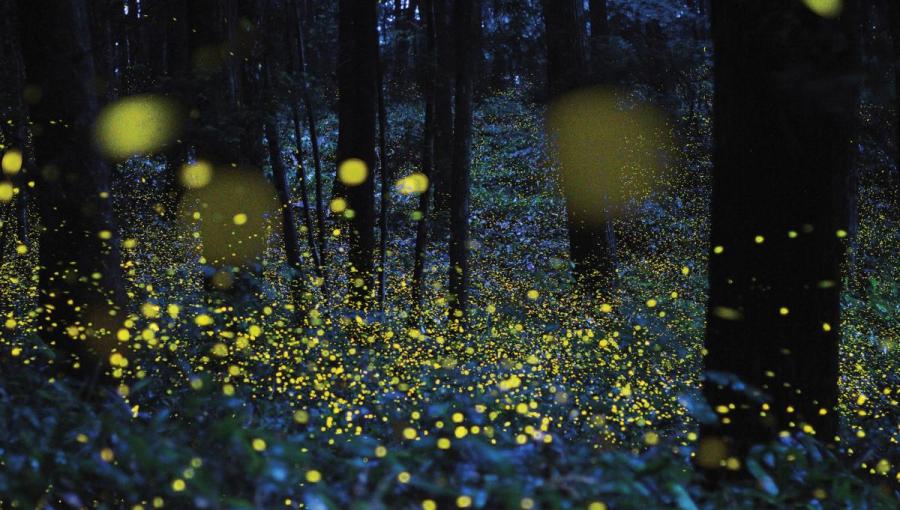
When a species colonizes a new habitat, they could either be invading or have been introduced to that habitat. An introduced species is established where that species has not been established previously. On the other hand, an invasive species is an introduced species that has negative consequences to that habitat or surrounding ecosystem. Fireflies are generally not seen as an invasive species as they do not disperse on their own. However, it is common that people want to introduce fireflies to a region to have in their backyards.
The process of introducing species to a new ecosystem does not have to rely on human activity. In fact, it’s been happening way longer than humans have been around. But the more humans travel around the globe, the easier it is for other species to travel as well. Most introductions of species to a region are accidental.
During the 1960s in Japan, fireflies were intentionally introduced into a town called Matsuo-kyo. In 2010, researchers concluded that the introduced species, L. cruciata, had a strong ecological impact on native species in Matsuo-kyo. They looked at flash patterns, which are specific to each species of fireflies, in order to determine what happened to the introduced and native species since the 1960s. They concluded that the introduced species either driven the native species away or to extinction because the flash patterns in 2010 matched the patterns of L. cruciata.

When a species invades a region, it could have a hard time establishing itself or it could thrive with ease. Many different factors play a role in whether or not a species can easily be introduced to a new habitat. Species that are generally going to have an easier time being established in a new habitat are r-selected (short generation times, lots of offspring), are plastic (can change its own morphology based on environmental conditions), and are ecologically competent (able to tolerate a range of environments).
The type of habitat also determines whether or not it can be invaded. If the habitat is similar to the species native habitat, the species will have no difficulty thriving in that habitat. Next, the more an environment is disturbed, the more room opens up for non-native species. Lastly, lower stress environments are also more likely to be invaded as the pressures and costs of living are affordable. Generally, the more biodiverse a habitat is, the harder it is for a species to invade that area because all of the resources are being used by already established populations. Fireflies have a difficult time dispersing to new areas because they are only in their adult form for a few months during the summer and the larvae cannot travel significant distances at all.
If you want to attract fireflies to your backyard, you can do a few things to create the right environment. Light pollution interferes with mating patterns of fireflies so be sure to shut off all outside lights. Firefly larvae feed on insects and worms that live in rotten wood and leaf litter. Bringing in leaf litter and a few logs of wood may help to increase the chances of fireflies colonizing, especially if your backyard does not have many trees.
Invasion or introduction happens in 3 stages: arrival, establishment, and dispersal. First, the species has to arrive in the new location. Next, they have to become established there, or be able to find resources and shelter in order to grow, reproduce, and survive. Lastly, they need to be able to spread in order to maintain the population.
When a species successfully colonizes a new habitat, they may interfere with native species that currently exist there. The invasive species may be able to coexist with the native species. In other cases, the native species is outcompeted and becomes displaced by the new species. A more extreme situation is when the native species is outcompeted and goes extinct.
Invasive and introduced species can become very problematic very quickly if not managed. Invasive species cause more than 100 billion US dollars in damage per year in the US alone. Damaging situations can be avoided by many interventions. Boats, cars, trains, or planes can be inspected for known invasive species and contained if contaminated. If the invaded species has already been established in a new habitat, they might be able to be eradicated. Worst case scenario, the invasive species might be able to be stopped from spreading if barriers are put in place to prevent further dispersal. Fortunately, fireflies do not cause damage in the areas they colonize and may even benefit biodiversity by feeding on slugs.

 Lampyridae - Fireflies