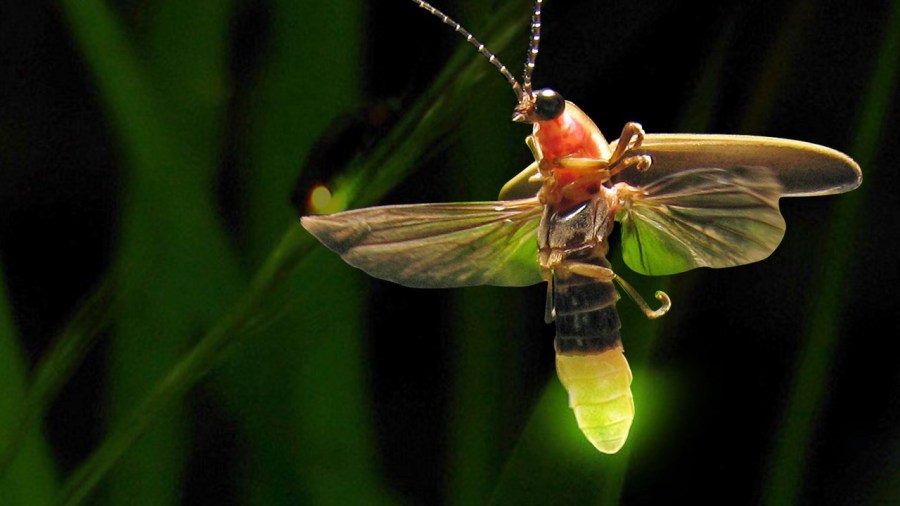
Everyone can tell the difference between a cat and a dog. But what about a leopard and a cheetah? Or two dragonflies species? Two fireflies species? Distinguishing two species is no easy task, especially if the organisms are morphologically similar. Scientists define a species as a group of organisms that are reproductively isolated from anyone outside the group. There are many examples of reproductive isolation. For example, geographical isolation involves the distance between populations or organisms that live on opposite sides of the world from each other. Another example would be gametic isolation, in which case sex cells between two different organisms cannot combine to form a new offspring.
If you can distinguish between two very similar species, can you point out when one species splits into two different species? Sometimes speciation events can be difficult to identify and steps toward speciation may happen in a different order for different species. For example, mountain cats might have diverged from desert cats because mountain cats began to occupy a new habitat compared to the rest of desert cats. In contrast, an offspring of two plants might experience an error in meiosis, resulting in the offspring plant being unable to fertilize a cousin plant of the same species as the parent generation. There are four species concepts that suggest when speciation is occurring in a population.
First, the phylogenetic species concept considers all descendants of a common ancestor. This is useful to consider the evolutionary history of alleles and is easily available since genetic material is, in many cases, readily available for testing. However, genetic material for testing may be hard to acquire if the species of interest is extinct. Second, the ecological species concept distinguishes species based on different habitats. For example, a species of firefly might prefer the top of trees and another species might prefer grass. Even if they are in the same forest, the two populations of fireflies occupy different niches and would be considered distinct species. This species concept gives us information on how each species interacts with their environment.
Next, the morphological species concept outlines that two organisms are not from the same species if they have morphological differences between them. In southeastern US, the Phausis reticulata fireflies glow blue while the Photinus carolinus fireflies flash yellow. These organisms have a different version of Luciferase, resulting in a different fluorescent ‘shine’. Lastly, the biological concept isolates two species when they can no longer reproduce with one another. This concept is the hardest to test because it’s only applicable to living creatures and just because two individuals can mate, doesn’t mean they will.
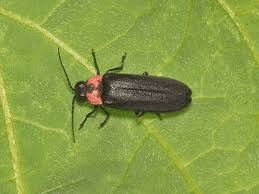
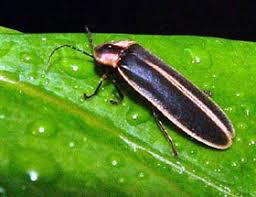
This is a great example of distinguishing between two species. If you identified these two organisms as belonging to different species, you would be correct, based on the morphological species concept! The firefly on the left is part of the genus Luciola, from Japan and the firefly on the right is part of the genus Photinus, commonly found in the United States.
While the ecological species concept and the biological species concepts are helpful tools for identifying speciation, the phylogenetic concept is most used in scientific writing to define species. This is most likely because sequencing the genomes of two organisms provides a comparable genetic code for ecologists to quantify the number of differences in genomic sequence between two different organisms. A month ago, researchers used this concept to distinguish four species of fireflies in Japan! Currently, there are over 2,000 species of fireflies classified in the world today!
By defining what a species is, scientists can use this information to better human societies. Researchers could warn human communities if one pattern of species is dangerous but another similar pattern is not. They could also use information gained from evolutionary studies with species concepts to speed up the evolution process of breeding higher quality crops and animals!
 Lampyridae - Fireflies