
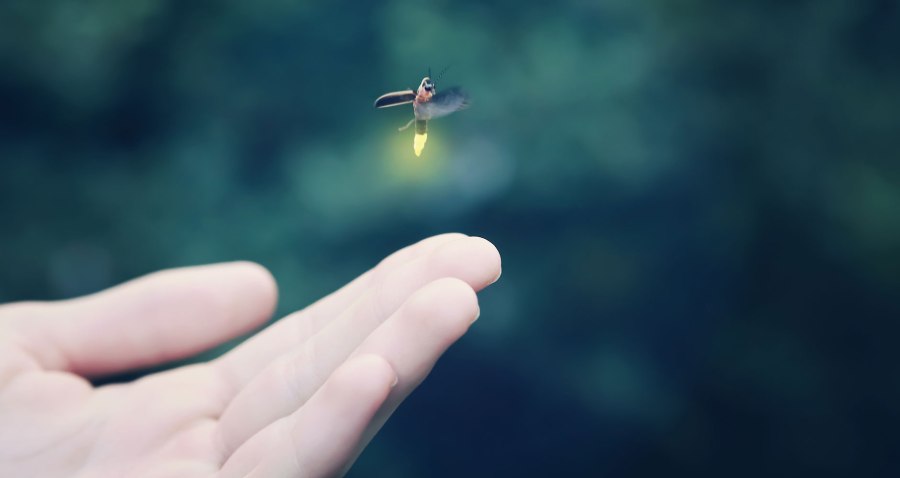
Extinction is a natural process. Before humans walked the Earth, new species were diverging from other species and older species were dying out. Extinction assumes that no members of a species are still alive. Extirpation is when a given species can no longer be found in a particular region and ecologically extinct is when a few individuals are left and they no longer play a role in their ecosystem.
Extinction rates are almost never constant. Most of the species that have existed in the past are not here today. A mass extinction occurs when at least 50% of the species and 30% of the families go extinct. These events can occur for a variety of reasons. The Ordovician extinction occurred because of a massive ice age. The Permian extinction occurred because of the effects of a volcanic eruption. The Cretaceous extinction happened 66 million years ago because an asteroid hit the Earth. Every time a mass extinction occurs, more room opens up for biodiversity. It will come back, even if it takes a million years.
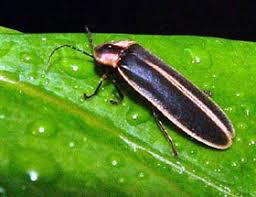
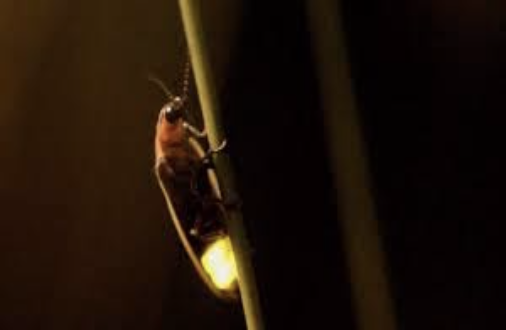
Based on genetic data, the American and Japanese firefly are thought to have diverged from each other over 100 million years ago. If this conclusion is correct, it means that fireflies survived the Cretaceous mass extinction!
The current extinction rate is predicted to be 1000x what it was during those mass extinction events. The International Union for Conservation of Nature keeps track of all known species on Earth by asking experts what the status is for each species. Are we currently in a mass extinction? Only time will tell. It is estimated that about 41% of insect species are at risk for extinction, including fireflies.

It is hypothesized that humans are a major cause in the extinction of these species. According to fossil records, large terrestrial vertebrates tend to go extinct with the migration of humans to an area. Our ancestors could have hunted them directly or brought disease directly through them or indirectly through their livestock.
Species can go extinct due to a number of reasons. First, a decline in genetic diversity leads to a decline in evolutionary potential or more specifically, reduced adaptability, reduced fitness, and an increased chance to be wiped out by disease. Second, the species could lose suitable habitats. They cannot survive without a niche to exist in. Third, species could be overharvested, due to humans or hunted by another predator. Next, an introduced species (human or natural origin) might wipe out a native species. Lastly, climate change has a serious impact on the health of biodiversity.
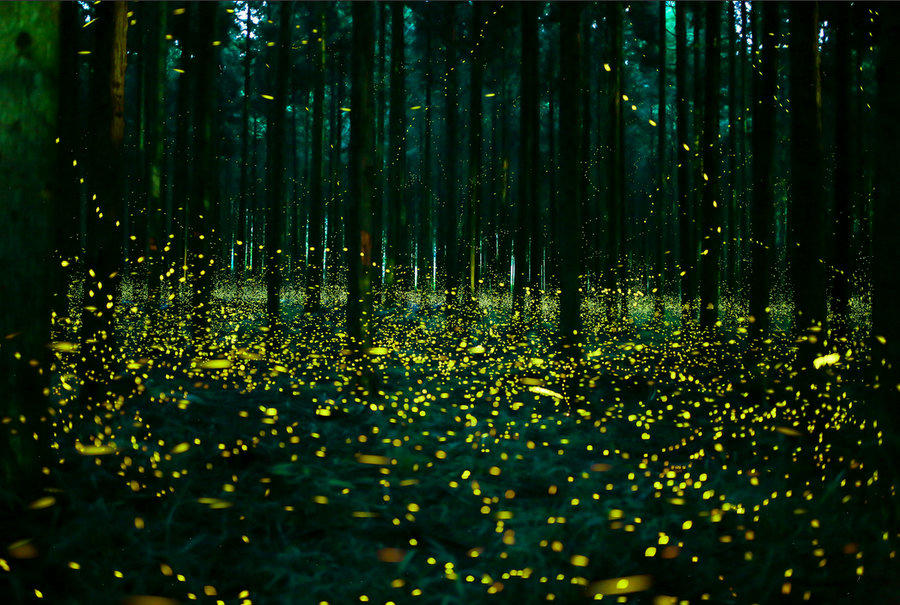
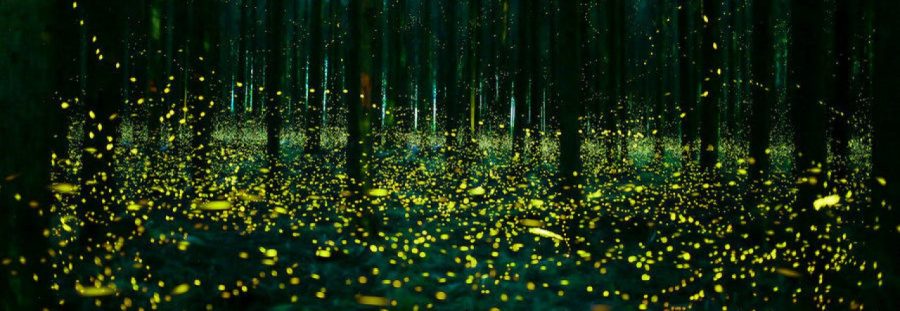
The driving forces behind firefly extinction are habitat loss, artificial light, and pesticides. The habitats of fireflies are being paved over for human expansion. Fireflies are not well suited for migration as adults only live for 2-3 months to mate and the larvae are practically immobile. Light pollution increases with an increase in human construction. Artificial light at night interferes with flashing patterns of fireflies. They use unique patterns to each species in order to attract food and mates but these patterns are being drowned out by the light. Lastly, insecticides used in agriculture run off from the fields and into firefly habitats. The pesticides used harm firefly larvae ultimately decreasing the firefly population.
Extinction is not the end all be all for life on Earth. If conservation efforts of some species are unsuccessful (we can’t save every species), more room is opened for increased biodiversity in the future. Fireflies can be conserved by preserving their habitats, shutting off artificial light at night, and limiting pesticides and fertilizers used for crops.

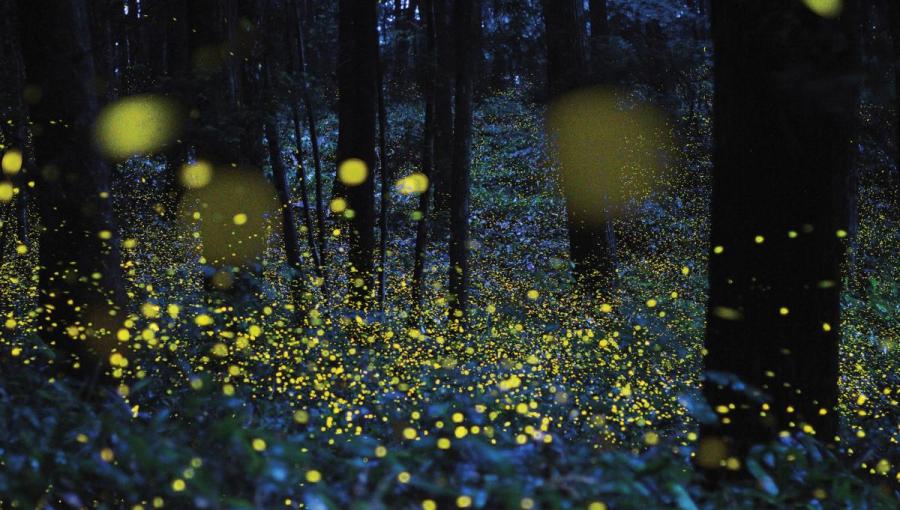




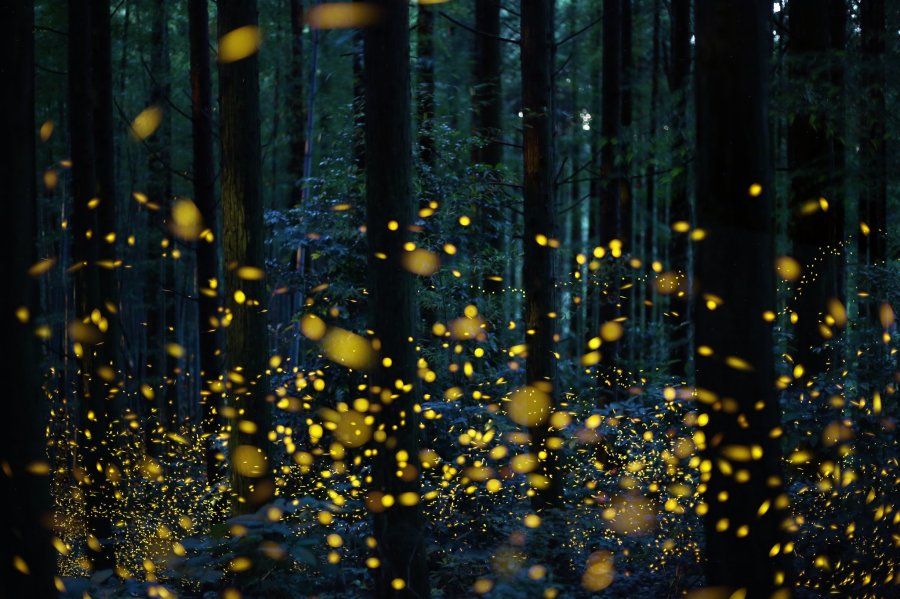


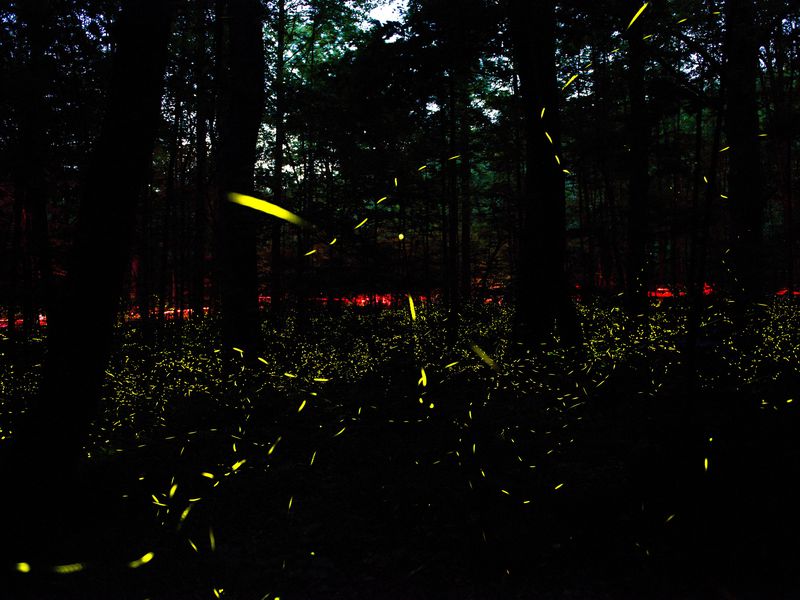

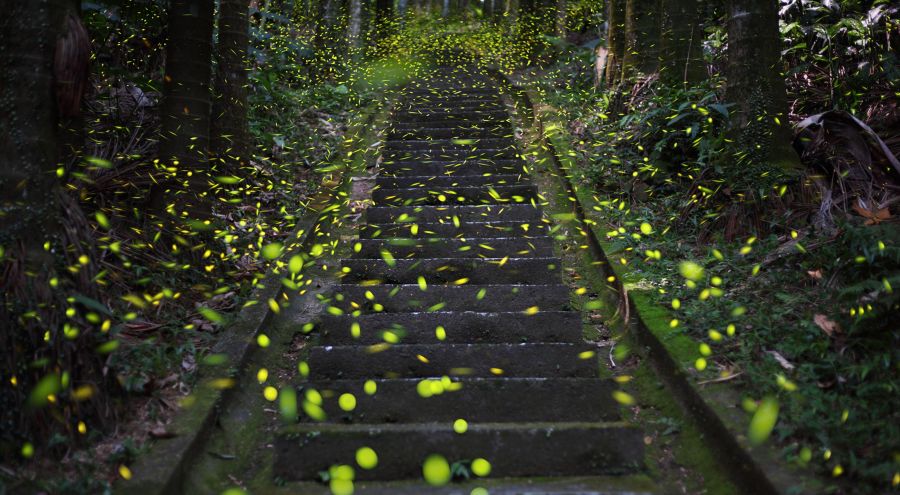

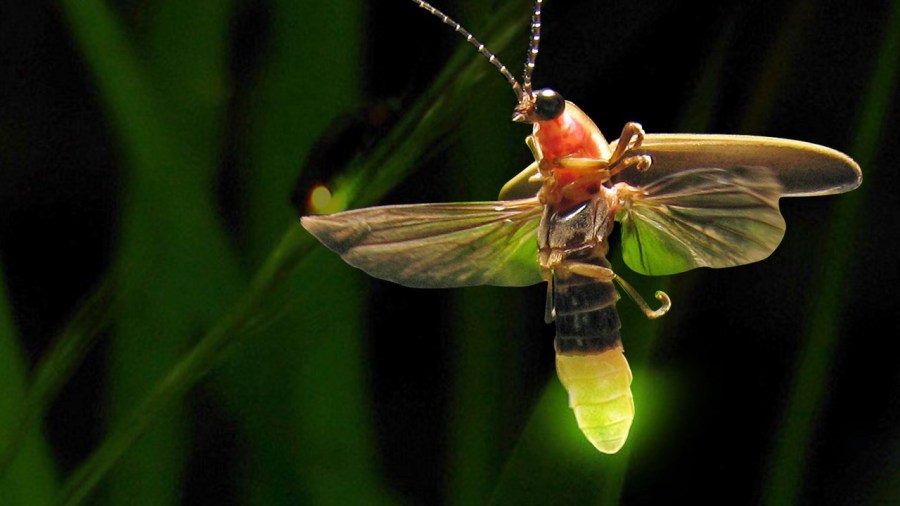
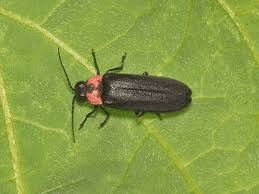





 Lampyridae - Fireflies